
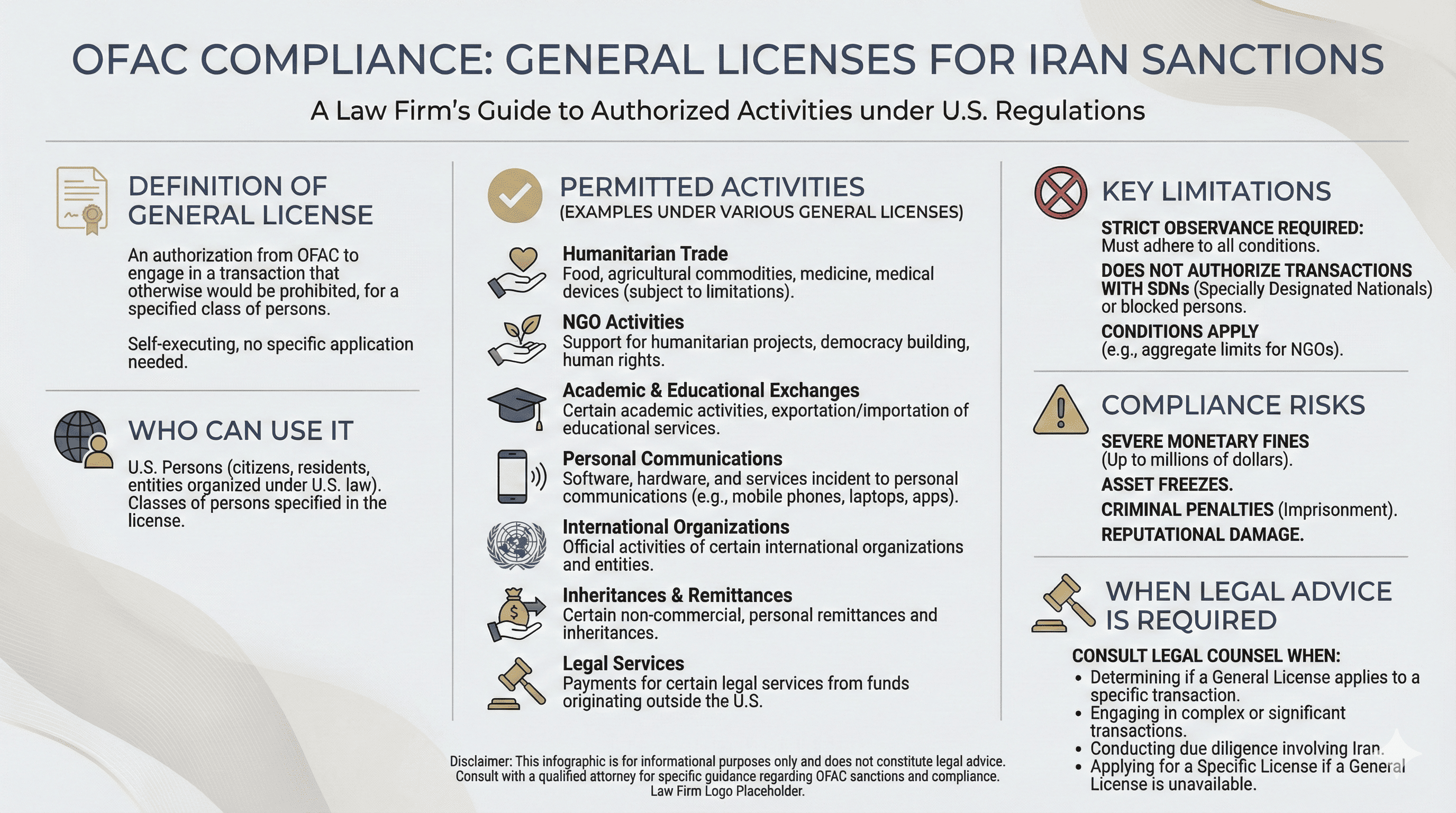
Understanding OFAC Blocked Transactions
In the complex world of international finance and trade, organizations must navigate a myriad of regulations to ensure compliance. One crucial aspect of this regulatory environment is the Office of Foreign Assets Control (OFAC) and its implications for blocked transactions. OFAC blocked transactions can have significant consequences for businesses, affecting everything from cash flow to reputational standing.
What is OFAC?
The Office of Foreign Assets Control (OFAC) is an agency within the U.S. Department of the Treasury that administers and enforces economic and trade sanctions based on U.S. foreign policy and national security goals. These sanctions target specific countries and regimes, as well as individuals and entities involved in activities such as terrorism, drug trafficking, and weapons proliferation.

Understanding Blocked Transactions
A blocked transaction refers to any action that involves property or interests that are subject to OFAC sanctions. When a transaction is blocked, any assets involved are frozen, and the transaction cannot be completed until OFAC provides authorization or the sanctions are lifted. This may include transfers of funds, trade activities, or any other dealings with sanctioned individuals or entities.
Why Transactions Get Blocked
Transactions typically get blocked for several reasons, including:
- Sanctioned Parties: Involvement with individuals or entities listed on OFAC’s Specially Designated Nationals and Blocked Persons List (SDN List).
- Geographic Sanctions: Engaging in transactions with countries that are subject to comprehensive sanctions, such as North Korea or Iran.
- Sectoral Sanctions: Specific sectors or industries in sanctioned countries may also be targeted, limiting business operations.
The Implications of Blocked Transactions
Blocked transactions can have far-reaching implications for businesses, including:
- Financial Loss: Frozen assets may lead to cash flow problems, hindering operations and affecting financial stability.
- Legal Consequences: Non-compliance with OFAC regulations can result in hefty fines and penalties, as well as potential legal action.
- Reputational Damage: Being associated with sanctioned parties or blocked transactions can tarnish a company’s reputation, making it harder to do business.
Navigating OFAC Regulations
Given the potential consequences of blocked transactions, it is essential for businesses to navigate OFAC regulations carefully. Here are some best practices:
- Know Your Customer (KYC): Conduct thorough due diligence on clients and partners to ensure they are not listed on the SDN List or associated with sanctioned countries.
- Regular Updates: Stay informed about changes to OFAC regulations and updates to the SDN List, as these can occur frequently.
- Compliance Programs: Implement robust compliance programs that include training for employees on OFAC regulations and screening procedures.
- Consult Experts: When in doubt, consult with legal and compliance experts who specialize in OFAC regulations.
Dealing with Blocked Transactions
If a transaction gets blocked, businesses need to take specific steps to address the issue:
- Assess the Situation: Determine the reason for the block and whether it’s due to a violation of OFAC regulations.
- Document Everything: Keep detailed records of all communications and transactions leading up to the block.
- Seek Authorization: If appropriate, seek a license from OFAC to engage in the blocked transaction. This can be a lengthy process and is not always granted.
- Review Compliance Processes: After addressing the blocked transaction, review your compliance measures to prevent future occurrences.
Conclusion
OFAC blocked transactions represent a significant challenge for businesses engaged in global trade and finance. Understanding the reasons behind these blocks, their implications, and best practices for compliance is essential for any organization operating under U.S. jurisdiction. By staying informed and implementing robust compliance protocols, businesses can mitigate risks and navigate the complexities of OFAC regulations effectively.
In today’s interconnected world, being proactive about regulatory compliance is not just a legal obligation but a cornerstone of responsible business practice.
Recent Comments